Stay Connected!
As the world’s leading resource for annual giving programs, AGN helps educational institutions develop sustainable sources of philanthropic support. We’re proud to have served thousands of colleges, universities, and independent schools through our research, training, and consulting services, and through our membership program, which provides ongoing access to professional development.
Read below for our latest news, upcoming events, and more!
Article: Leveraging "Second Asks"
There used to be a solicitation strategy commonly used by annual giving programs that went like this: “If you make a gift now, we won’t ask you again this year!” That’s not a very good strategy.
The truth is that very successful annual giving programs try to secure individual gifts at least once each year – not at the most once each year. In fact, the best programs strive to give donors the opportunity to give how, when, and however often they choose to support current operations at your institution. And that’s where “second asks” come in… Read more.


Webinar: Using Social Media to Boost Annual Giving
May 16th, 2024 at 12PM ETSocial media can be a great way to engage donors and communicate with them about the importance and impact of annual giving. And while there are a variety of different platforms available, it’s important to recognize the pros and cons of each one – and to use them together with other channels – as part of a comprehensive fundraising strategy. Learn more or register now.
Podcast S3 E3: Megan Rajski | Making a Move
Megan Rajski, Director of Annual Giving at Fairfield University, talks about making the decision to take a job in a different part of the country, negotiating salary, working “in” the office, applying experience at a big nonprofit to educational fundraising, starting out as a volunteer, and more! Listen to this episode now.

Annual Giving Directors Forum
May 30th, 2024 at 11:30AM ETJoin us on Thursday, May 30th for an interactive online Annual Giving Directors Forum which will provide leaders (and rising leaders!) with a platform for planning their efforts, benchmarking their progress, and addressing the most pressing issues facing annual giving programs today. AGN Member institutions receive 1 FREE registration to this event plus significant discounts to register additional staff. Non-members who wish to attend may do so and can apply their registration fee as a credit if they wish to become an AGN Member within 30 days after the event. Learn more or register now.
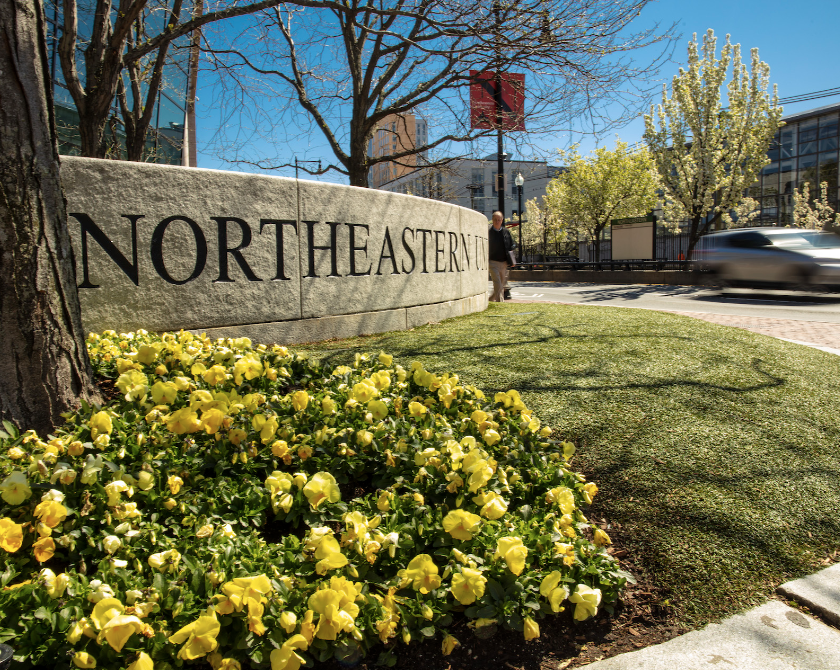
Featured Job: Associate Director, Annual Giving Programs at Northeastern University
The Associate Director of Annual Giving Programs at Northeastern University will play a key role in advancing philanthropic support of the university through their involvement in strategic planning, execution, and coordination of Giving Day initiatives and affinity-driven fundraising strategies. This position requires a dynamic individual with strong project management skills, a collaborative approach to their work, and a passion for engaging diverse constituencies. Learn more.
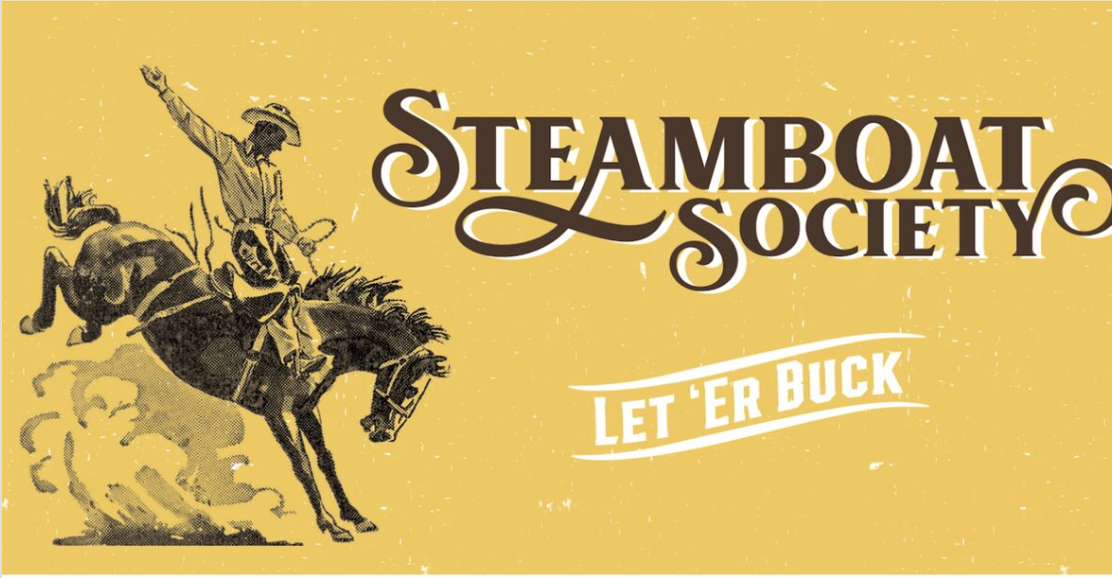
Sample: U of Wyoming's Steamboat Society Appeal
This direct mail piece featured retro graphic art of an iconic steamboat horse (taken from the school logo) in an attempt to convey feelings of tradition and history to this important group of leadership donors. It was sent to members who had not yet renewed and included specific examples of how $1,000 gifts “make a difference”. Visit AGN’s Sample Library to view the full sample and find hundreds of other great ideas. Click here to visit the sample library now.
Workshop: Email Appeals
June 13th, 2024 at 11:30AM ETEmail has become an essential tool for today’s annual giving programs. But as donor inboxes fill up, it’s become even more difficult to make email appeals stand out and get opened. Understanding key principles and current best practices in email marketing will help you make sure that your institution’s email campaigns resonate with donors and remain an important aspect of its overall fundraising strategy. Join us on Thursday, June 13th, for an interactive online workshop that will provide you and your colleagues with a framework for developing email appeals to support your annual fundraising efforts. Learn more or register now.
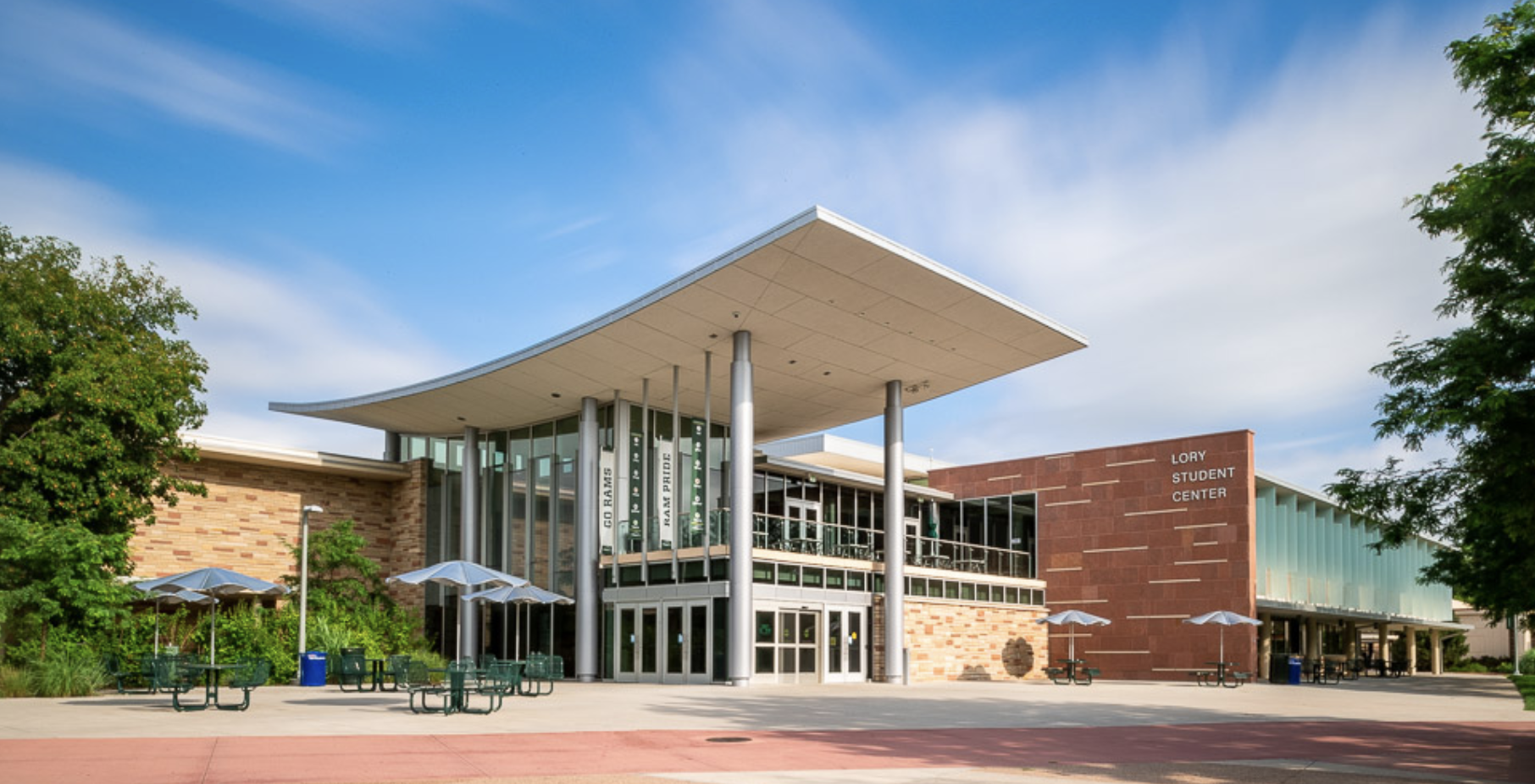
Featured Job: Annual Giving Solicitation Manager at Colorado State University
The Annual Giving and Program Manager position is a new role that will play an important part in the success of the Advancement team. Reporting directly to the Senior Director of Development, Annual & Family Giving, the Annual Giving and Program Manager will provide direct support for our giving programs, boards, donor recognition and volunteer groups, as well provide support for the annual Days of Giving and brick program. Learn more.
Sample: UVA’s “Happy 70th Birthday, Larry” Appeal
This email effort celebrated a beloved political science professor’s 70th birthday by playing up the number 7. It was sent out on August 7th and highlighted specific examples of how gifts of $7, $70, $700, and $7,000 could benefit the university’s political science program and its students. Visit AGN’s Sample Library to view the full sample and find hundreds of other great ideas. Click here to visit the sample library now.

Become an AGN Member Today!
This is a great time to invest in professional development for your team. AGN Membership provides advancement staff and volunteers with ongoing access to the training and tools that they’ll need to be successful. Learn more or become a member today!